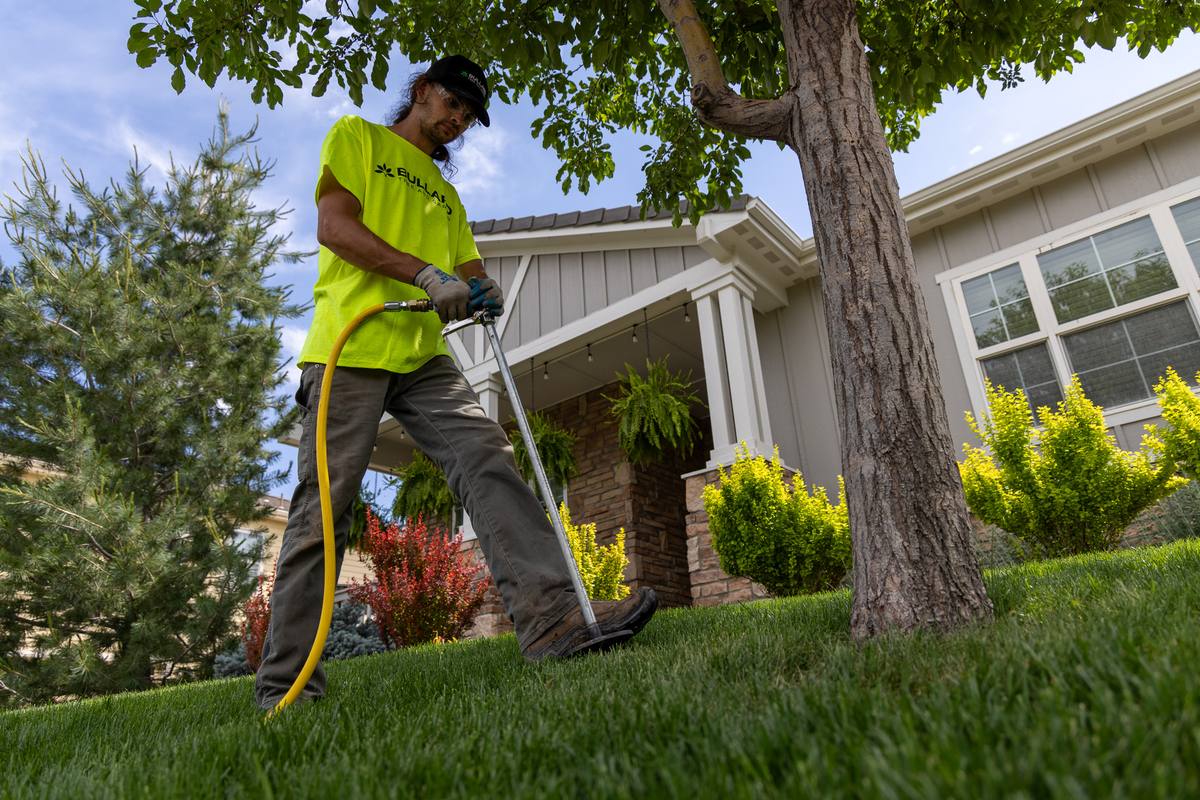
Tree Health Evaluation near Boulder County
Residential Tree Health Evaluation
Comprehensive Tree Health Evaluations for Boulder County Homes Healthy trees increase property value, provide energy-saving shade, support local wildlife, and enhance the quality of daily life. But trees can decline gradually, and by the time a homeowner notices obvious symptoms like dead branches, yellowing leaves, or bark falling off, the underlying problem may have been developing for years. Bullard Tree & Garden's tree health evaluations give Boulder County homeowners a clear, professional assessment of every tree on their property, identifying problems early when they are most treatable and providing a roadmap for long-term landscape health.
Request Free Quote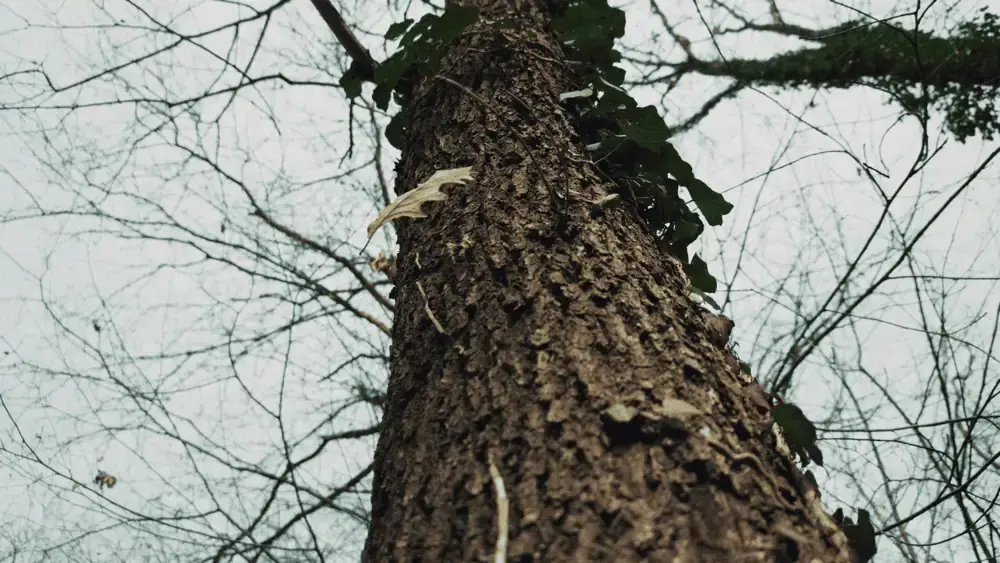
What a Tree Health Evaluation Covers
Our evaluations are thorough, systematic assessments conducted by an ISA Certified Arborist who examines each tree from the soil up. The evaluation begins at the root zone, checking for signs of root decay, girdling roots, soil compaction, improper mulching, and grade changes that may have buried the root flare. The trunk is inspected for cankers, cracks, cavities, fungal fruiting bodies, signs of boring insect activity, and structural defects at major branch unions. The crown is assessed for deadwood percentage, leaf color and density, branch dieback patterns, and signs of pest or disease activity. Site conditions including soil drainage, sun exposure, proximity to structures, and competition from neighboring trees are all factored into the overall assessment.
Learn more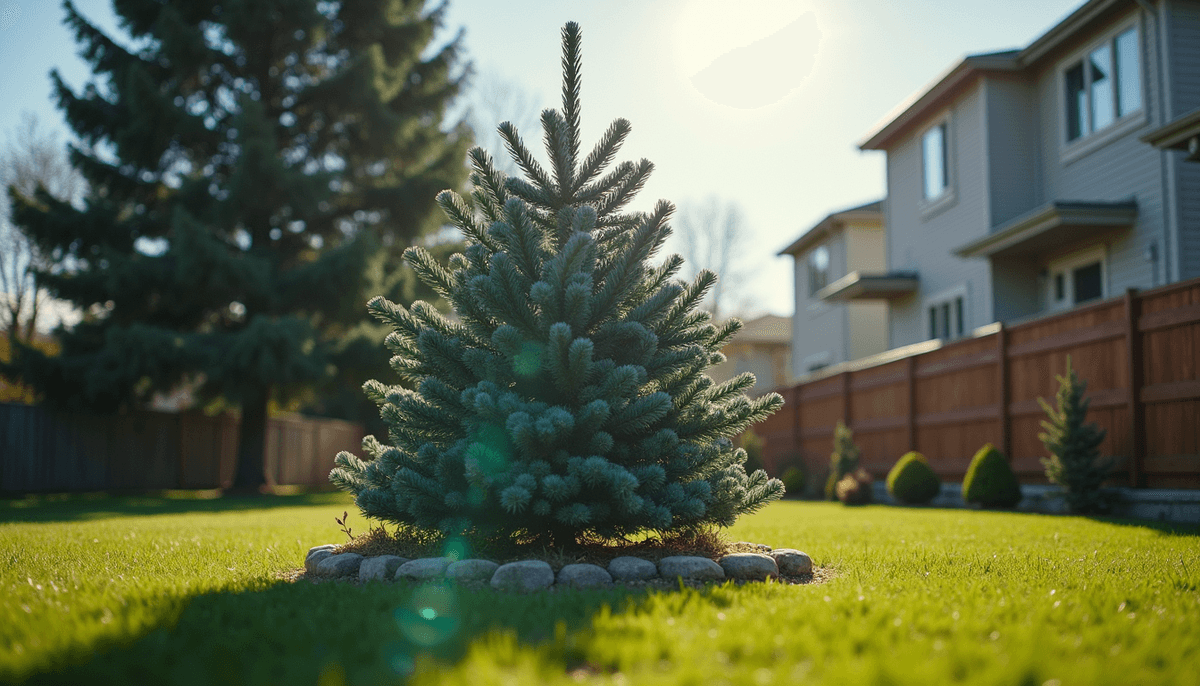
Common Issues We Identify
Boulder County's climate and soils create conditions that predispose trees to several recurring problems. Iron chlorosis causes yellowing leaves on pin oaks, silver maples, and other species sensitive to our alkaline soils. Cytospora canker attacks stressed Colorado blue spruce, causing progressive branch dieback from the bottom up. Emerald ash borer is established throughout the Front Range and threatens every untreated ash tree. Mountain pine beetle affects ponderosa and lodgepole pines, particularly drought-stressed specimens. Structural problems including co-dominant stems, included bark, and root damage from construction are common on properties where trees and development coexist. Our evaluations identify these issues specifically and recommend targeted responses rather than generic treatments.
Learn more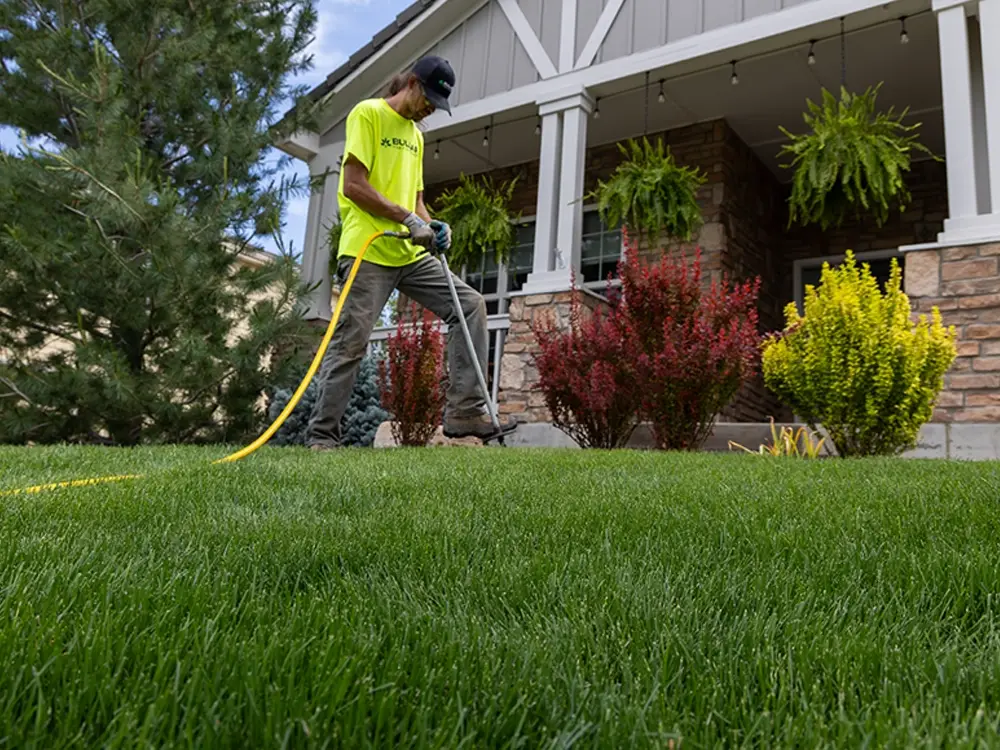

After Your Evaluation
Following the on-site visit, you receive a written report that documents the condition of each evaluated tree, identifies any problems found, assigns priority levels, and provides specific treatment or management recommendations. The report distinguishes between issues that require immediate attention, such as a hazardous dead branch over a walkway, and issues that should be monitored over time, such as early-stage iron chlorosis that may respond to soil treatment. We explain everything in plain language so you can make informed decisions about which recommendations to pursue and in what order. For properties with multiple trees, the report serves as a management planning tool that helps you budget for tree care over time rather than reacting to emergencies.
More About Our Services
Additional Information
Annual Evaluations and Ongoing Monitoring
Trees are living organisms whose condition changes with every season. A tree that appears healthy today can develop problems from drought stress, storm damage, pest infestation, or construction activity on adjacent properties. Annual health evaluations establish a documented baseline for each tree and allow our arborists to track changes over time, catching new problems early and verifying that previous treatments are working. Many of our residential clients schedule annual evaluations in spring or early summer when symptoms are most visible, making it the cornerstone of a proactive tree care program that protects their landscape investment year after year.
Frequently Asked Questions
Common questions about our tree health evaluation services.
How often should I have my trees evaluated?
What is the difference between a tree health evaluation and an arborist consultation?
Can you evaluate trees that were planted by someone else?
Ready to Transform Your Property?
Get a free, no-obligation estimate for tree health evaluation from our ISA Certified Arborists.
Get In Touch
Request Free Quote
Get a FREE estimate from Bullard Tree & Garden, your trusted certified arborist in Boulder.
Phone
(970) 880-0132Mailing Address
1067 S. Hover Street, Unit E, #205, Longmont, CO 80501
Send Us a Message
Submit your details and we'll contact you within 24 hours.