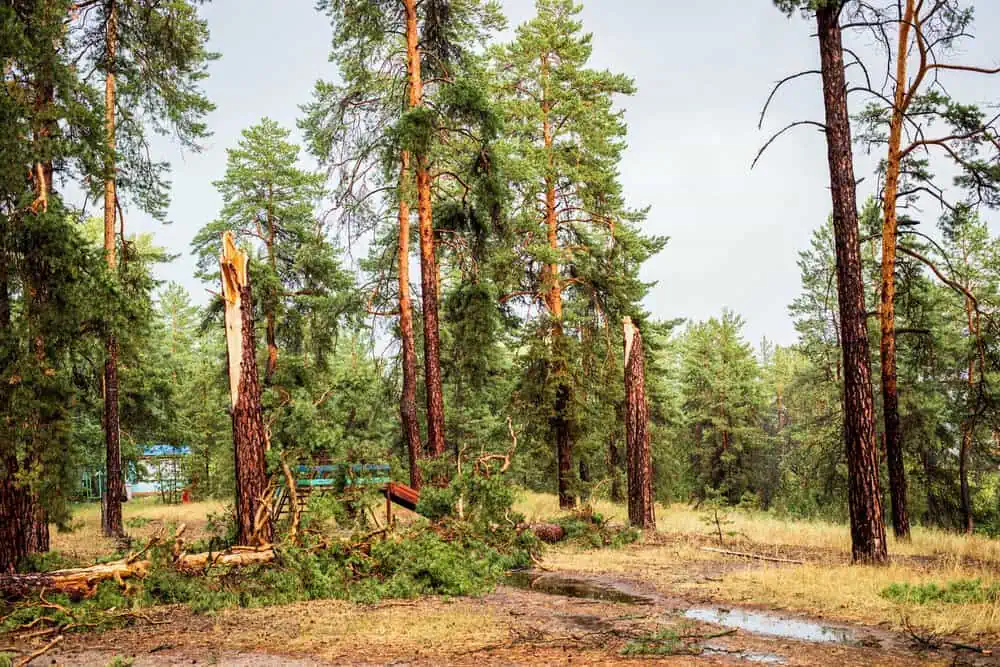
Storm Damaged Trees in Boulder County
Residential Storm Damaged Trees
Storm Damage Tree Services for Boulder County Homeowners Boulder County sits at the intersection of Colorado's most severe weather patterns. Powerful chinook winds descend from the mountains, spring storms bring heavy wet snow that loads canopies beyond their structural limits, summer thunderstorms produce damaging hail and microbursts, and early fall blizzards catch trees before they have dropped their leaves. Each of these events can crack limbs, split trunks, uproot entire trees, and leave hazardous debris scattered across your property. Bullard Tree & Garden provides rapid storm damage response, professional cleanup, and expert restoration services to help Boulder County homeowners recover safely after severe weather.
Request Free Quote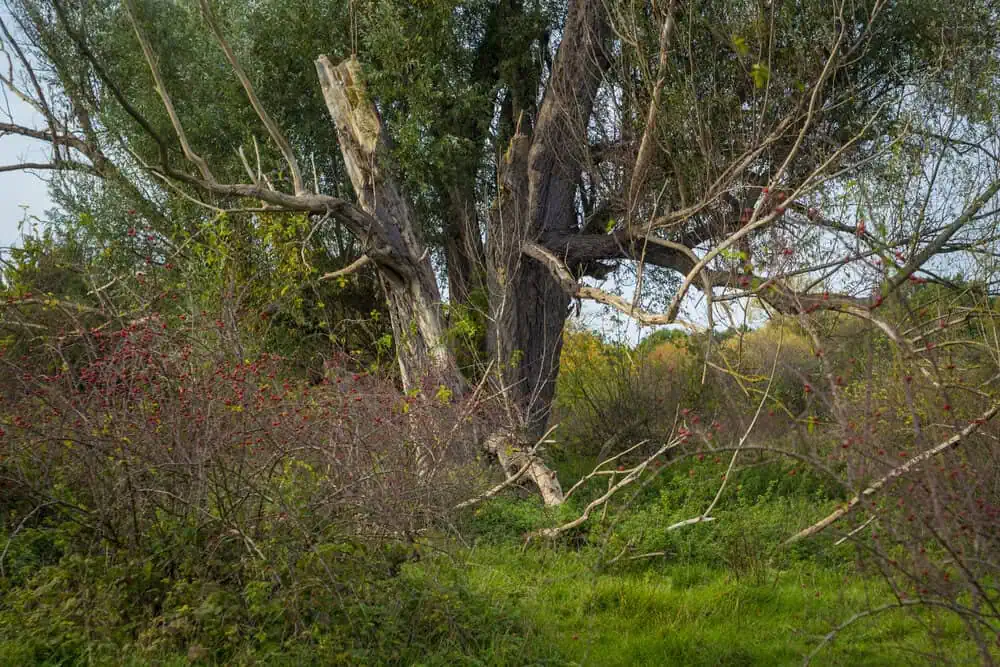
Emergency Response When You Need It
Storm-damaged trees are among the most dangerous situations a homeowner can face. Partially broken branches suspended in the canopy, trees leaning against structures, trunks split down the middle but still standing, and root plates partially pulled from the ground all create unpredictable hazards that can release without warning. Our emergency response team is equipped to handle these high-risk situations safely using specialized rigging systems, crane-assisted removal when necessary, and systematic dismantling techniques developed for exactly these conditions. We prioritize calls based on the severity of the hazard, focusing first on trees threatening occupied structures, blocking access to homes, or resting on power lines where they create immediate danger.
Learn more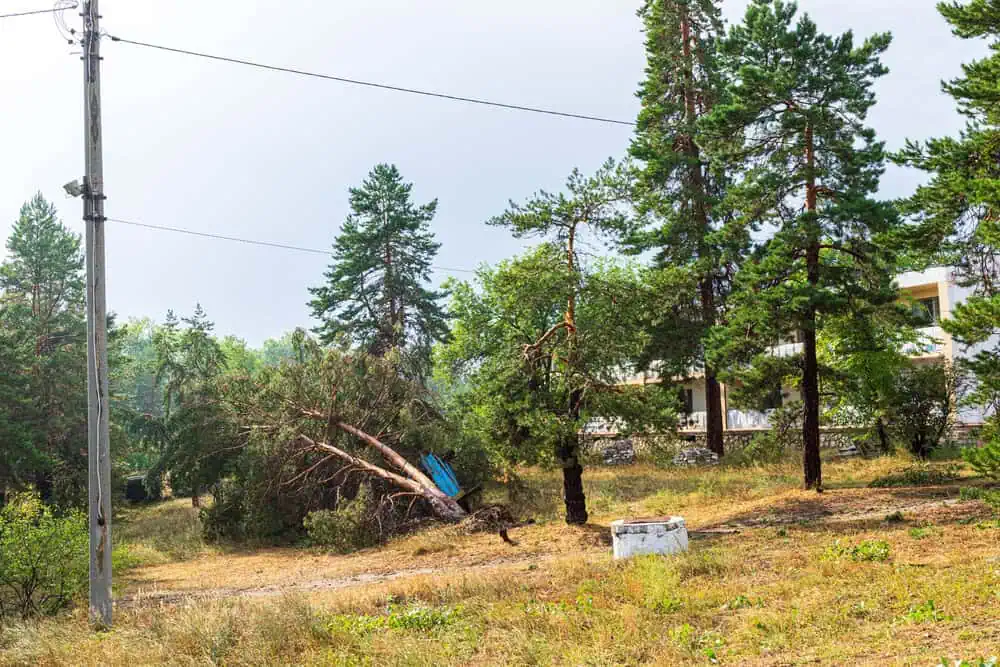
Assessing Storm Damage Correctly
Not every storm-damaged tree needs to come down. Many homeowners lose valuable trees unnecessarily because the first company on the scene recommends removal without evaluating whether the tree can be saved. Our ISA Certified Arborists assess each damaged tree individually, considering the species, the type and extent of damage, the tree's overall health and structural condition before the storm, and its value to the landscape. A tree that has lost a major limb but retains sound structure and a healthy root system can often be restored through corrective pruning and supplemental support. A tree with a split trunk or compromised root plate, however, presents a continuing hazard and should be removed. The distinction requires professional judgment that only a certified arborist can provide.
Learn more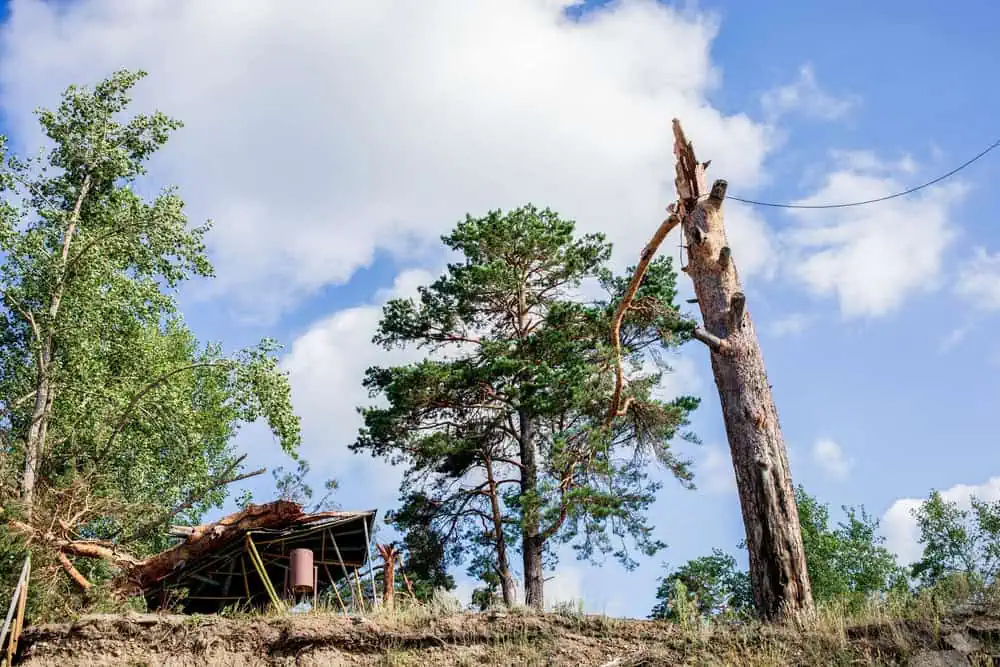

Storm Damage Restoration
Trees that survive a storm with moderate damage need prompt professional attention to recover successfully. Torn branches must be re-cut to clean wounds that allow proper callus formation. Crown reduction may be necessary to rebalance the canopy and reduce the load on compromised branch attachments. Supplemental support systems including cables and brace rods can stabilize weakened unions and prevent future failure at the same point. Root zone care including deep watering, mulching, and fertilization helps stressed trees rebuild energy reserves. Our restoration programs are designed to give storm-damaged trees the best possible chance of long-term recovery while monitoring for secondary problems like pest infestations and fungal infections that often follow storm injury.
More About Our Services
Additional Information
Preventing Storm Damage Before It Happens
The most effective approach to storm damage is prevention through proactive tree maintenance. Trees that receive regular structural pruning are significantly more resistant to wind and snow loading than neglected trees. Our preventive services include crown cleaning to remove dead and weakened branches before they become projectiles, crown thinning to reduce wind resistance, weight reduction on extended limbs that are prone to snow loading failure, and installation of supplemental support systems on trees with structural defects that cannot be corrected through pruning alone. Annual inspections identify developing problems while they can still be addressed affordably, rather than after a storm turns them into emergencies.
Frequently Asked Questions
Common questions about our storm damaged trees services.
What should I do immediately after a storm damages a tree on my property?
Can a storm-damaged tree be saved or does it always need removal?
How quickly can you respond to storm damage emergencies?
Does homeowner's insurance cover storm damage tree removal?
Ready to Transform Your Property?
Get a free, no-obligation estimate for storm damaged trees from our ISA Certified Arborists.
Get In Touch
Request Free Quote
Get a FREE estimate from Bullard Tree & Garden, your trusted certified arborist in Boulder.
Phone
(970) 880-0132Mailing Address
1067 S. Hover Street, Unit E, #205, Longmont, CO 80501
Send Us a Message
Submit your details and we'll contact you within 24 hours.