Tree Cabling & Bracing Services near Boulder & Longmont
Residential Tree Cabling Bracing
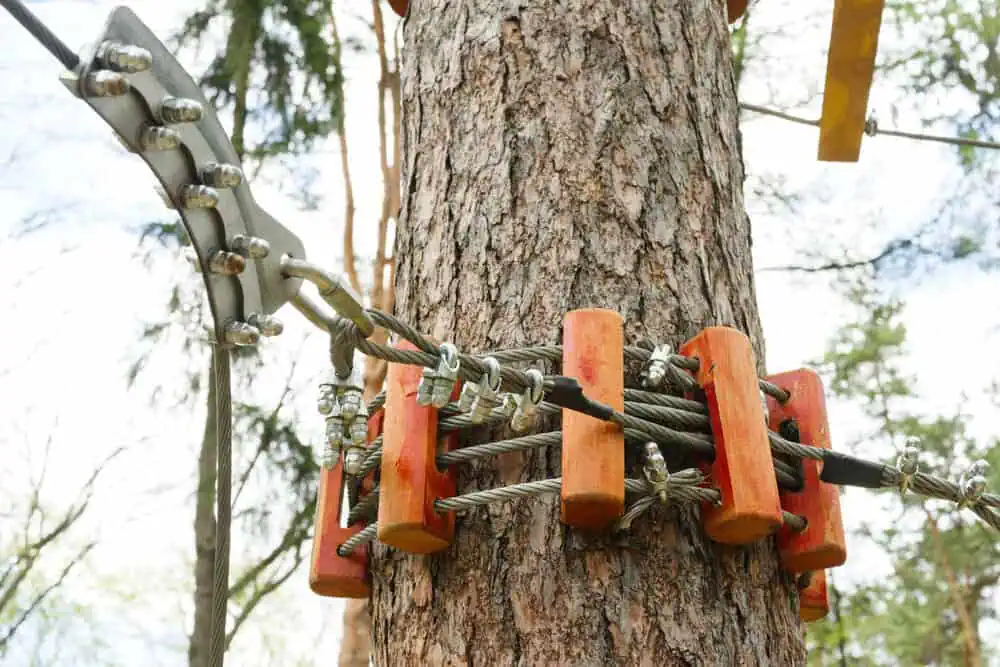
Tree Cabling and Bracing for Boulder County Properties Mature trees are among the most valuable features of any residential property, but age and structural defects can turn them into liabilities during Colorado's severe weather. Tree cabling and bracing are specialized support techniques that reinforce structurally compromised trees, allowing homeowners to preserve valuable specimens that would otherwise require removal. Bullard Tree & Garden's ISA Certified Arborists design and install cabling and bracing systems tailored to each tree's specific structural needs, extending the safe, functional life of trees that have split trunks, co-dominant stems, heavy lateral branches, or previous storm damage.
Request Free Quote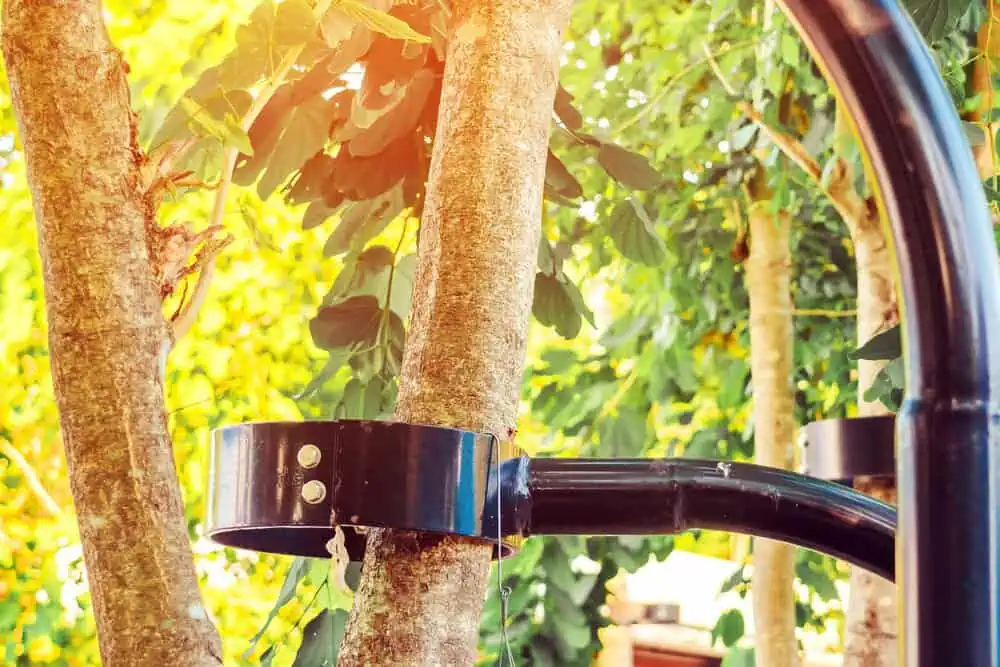
When Cabling or Bracing Is Needed
Several common structural conditions in trees warrant professional evaluation for supplemental support. Co-dominant stems, where two or more main trunks emerge from the same point, are particularly vulnerable because the junction between stems often includes bark that weakens the attachment. These trees are at high risk of splitting apart during wind events or under heavy snow loads. Other candidates for support include trees with long, heavy lateral branches that extend far from the trunk, multi-stemmed shade trees that have developed lopsided canopies, and trees with previous storm damage that left weakened attachment points. Historic or specimen trees with sentimental or landscape value that would be devastating to lose are also prime candidates for proactive support installation before a failure occurs. Cabling vs. Bracing: What Is the Difference Cabling and bracing address different types of structural weakness. Cabling uses flexible steel cables installed high in the canopy between co-dominant stems or heavy branches to limit their range of movement and reduce the stress on weak attachment points. Modern dynamic cabling systems use synthetic materials that allow natural movement while preventing the extreme displacement that causes failures. Bracing uses threaded steel rods installed through split or cracked trunks and branch unions to hold the compromised wood together mechanically. Many trees benefit from a combination of both techniques, with bracing to stabilize a crack or split at the base of the union and cabling to reduce the loads that caused the failure in the first place.
Learn more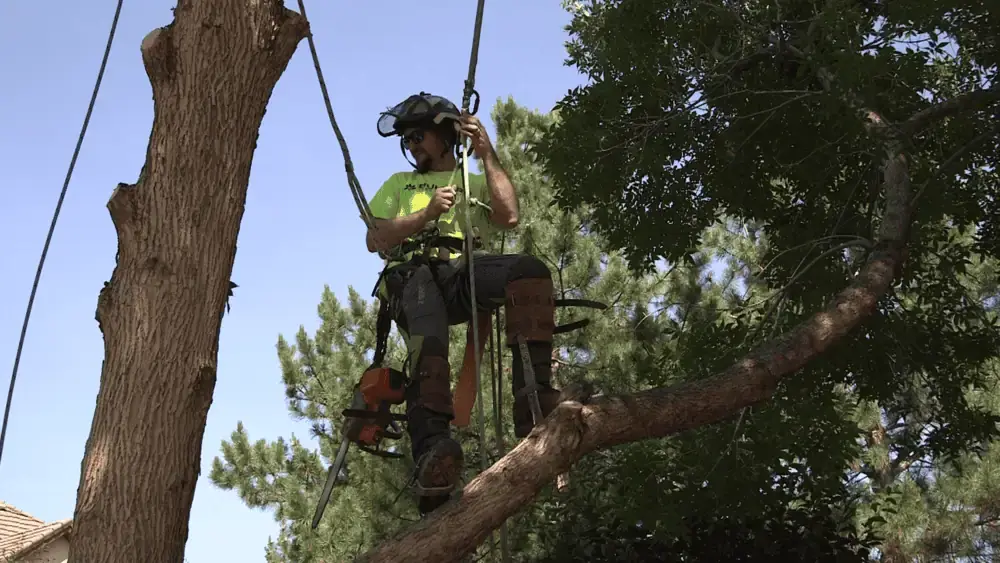
Professional Installation and Inspection
Supplemental support systems must be designed and installed by qualified arborists to be effective and safe. Improperly placed cables can create new stress points, and undersized hardware provides false security that fails under load. Our installations follow ANSI A300 standards for supplemental support, using appropriately rated hardware placed at the correct locations based on the tree's specific biomechanics. We document every installation with photographs and hardware specifications for your records. Installed systems require periodic inspection to ensure hardware remains sound, attachment points have not been overgrown, and the tree's condition has not changed in ways that alter the risk assessment.
Learn more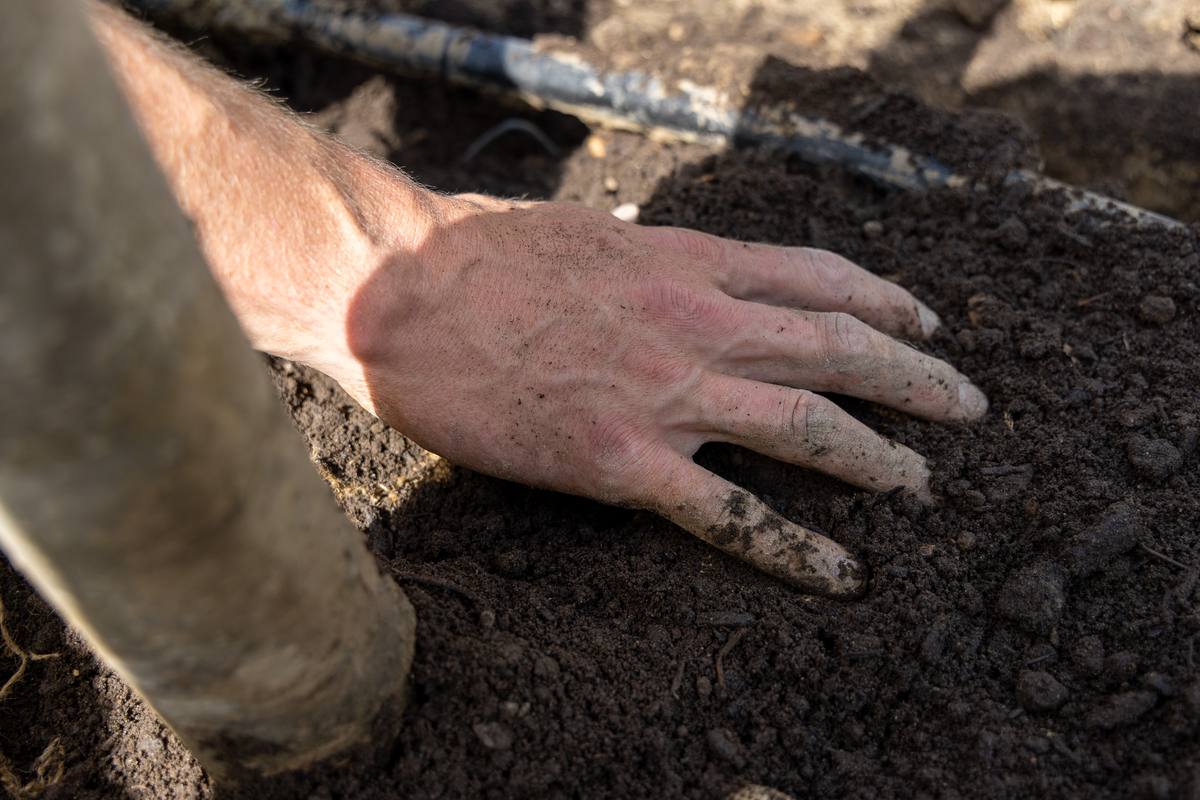

Alternatives When Support Is Not Enough
Not every structurally compromised tree can be saved with cabling and bracing. Trees with extensive internal decay, root system failure, or damage so severe that support cannot restore an acceptable safety margin may require removal rather than support. Our arborists provide honest evaluations that weigh the tree's value, the level of risk, the cost of support versus removal, and the long-term prognosis. When support is appropriate, it represents a fraction of the cost of removing and replacing a large mature tree, making it one of the most cost-effective investments in landscape preservation.
Frequently Asked Questions
Common questions about our tree cabling bracing services.
How do I know if my tree needs cabling or bracing?
Is cabling or bracing safe for the tree?
Can bracing save a tree after storm damage?
How long do cabling and bracing systems last?
Ready to Transform Your Property?
Get a free, no-obligation estimate for tree cabling bracing from our ISA Certified Arborists.
Get In Touch
Request Free Quote
Get a FREE estimate from Bullard Tree & Garden, your trusted certified arborist in Boulder.
Phone
(970) 880-0132Mailing Address
1067 S. Hover Street, Unit E, #205, Longmont, CO 80501
Send Us a Message
Submit your details and we'll contact you within 24 hours.