Tree Disease Diagnosis & Treatment in Boulder
Residential Tree Diseases
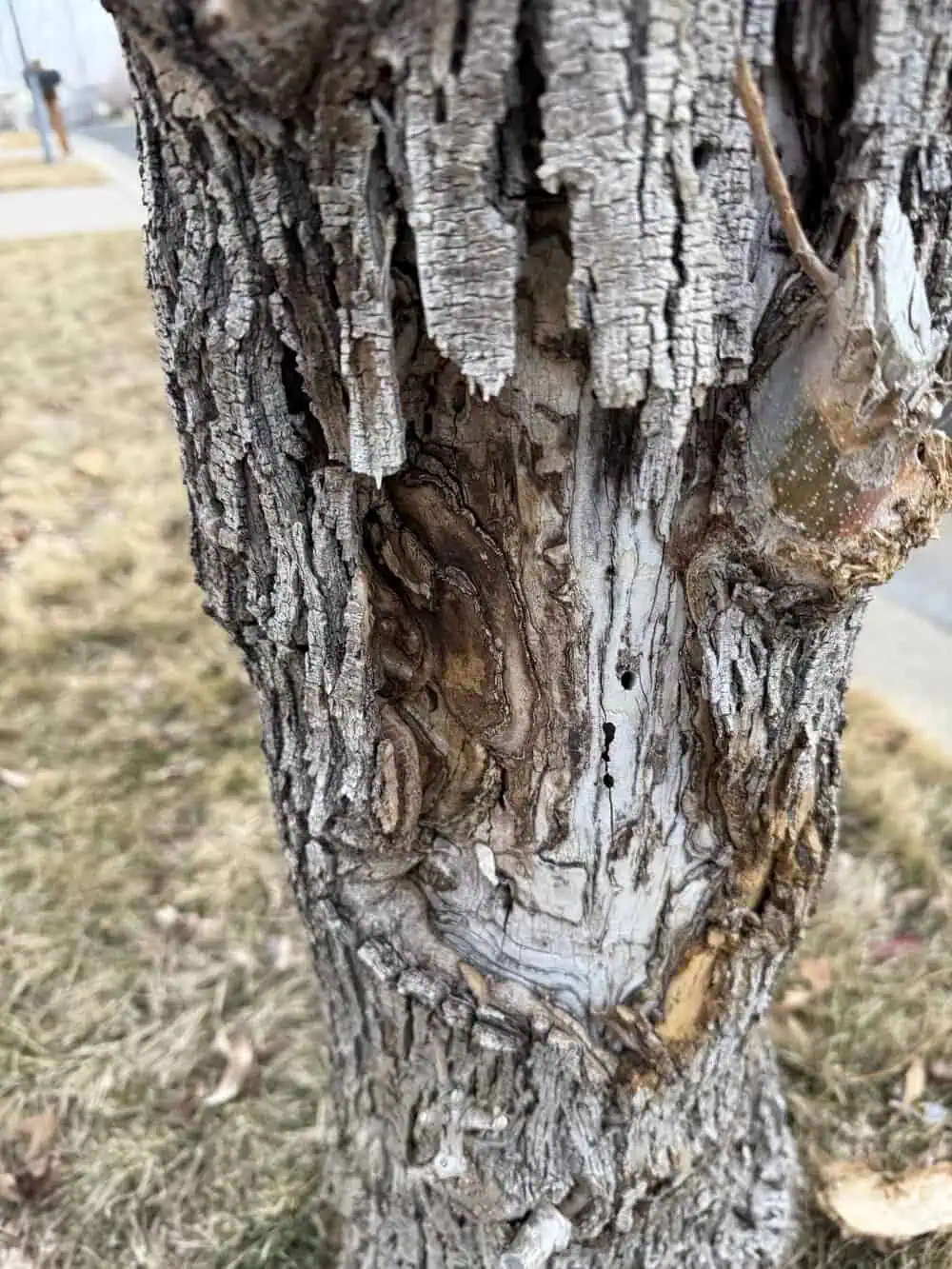
Tree Disease Diagnosis and Treatment in Boulder County Colorado's Front Range climate creates conditions where several serious tree diseases thrive, and Boulder County homeowners face threats ranging from fungal infections that develop during wet springs to bacterial diseases that spread through contaminated pruning tools. Left untreated, tree diseases weaken structural integrity, diminish property value, and can spread to neighboring trees throughout a neighborhood. Bullard Tree & Garden's ISA Certified Arborists specialize in accurate disease diagnosis and targeted treatment programs that address the root cause rather than just managing symptoms.
Request Free Quote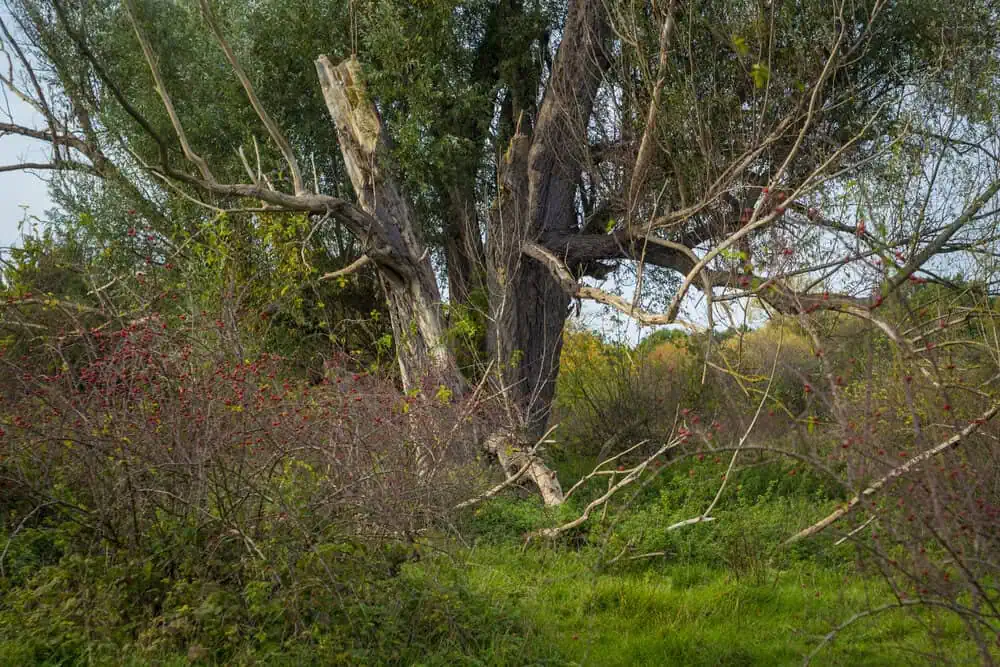
Common Tree Diseases in Boulder County
Several diseases are particularly prevalent along the Front Range and require professional diagnosis to distinguish from other causes of tree decline. Cytospora canker is one of the most damaging diseases affecting Colorado blue spruce, causing resin-soaked lesions on branches and progressive dieback from the lower canopy upward. Fire blight attacks ornamental pear, crabapple, and mountain ash trees, causing blackened, wilted branch tips that look scorched. Dutch elm disease remains a serious threat to American and Siberian elms throughout Boulder County, spread by bark beetles and through root grafts between adjacent trees. Thousand cankers disease affects black walnut trees through a fungus carried by the walnut twig beetle. Chlorosis, while technically a nutrient deficiency rather than a disease, causes yellowing leaves on pin oaks and silver maples growing in Colorado's alkaline soils and requires specific soil and foliar treatments to correct.
Learn more
Our Diagnostic Process
Accurate diagnosis is the foundation of effective disease management. Many tree diseases produce similar symptoms, and misidentification leads to wasted treatment dollars and continued decline. Our diagnostic process begins with a thorough on-site evaluation where the arborist examines the entire tree from root flare to crown, noting the pattern of symptoms, the species affected, site conditions, and recent weather patterns. We look beyond the obvious symptoms to identify contributing stress factors such as compacted soil, improper irrigation, grade changes, or construction damage that may have predisposed the tree to infection. When visual diagnosis is inconclusive, we collect tissue samples for laboratory analysis to confirm the specific pathogen involved before recommending treatment.
Learn more

Treatment and Management Strategies
Effective disease management combines immediate treatment with long-term cultural practices that improve tree resilience. Fungal diseases like cytospora canker and anthracnose are managed through a combination of targeted pruning to remove infected tissue, fungicide applications timed to protect new growth during vulnerable periods, and cultural improvements such as correcting irrigation practices and reducing soil compaction around the root zone. Bacterial diseases like fire blight require aggressive pruning of infected branches well below the visible infection margin, with tool sterilization between each cut to prevent spreading the pathogen. Systemic diseases like Dutch elm disease may be treated with fungicide trunk injections on high-value trees when detected early, though prevention through proper sanitation pruning and beetle management is the more reliable strategy.
More About Our Services
Additional Information
Preventing Tree Disease on Your Property
The most cost-effective approach to tree disease is prevention. Healthy, well-maintained trees have stronger natural defenses against pathogens. Our preventive disease management programs include annual health evaluations to catch problems early, species-appropriate pruning schedules that maintain good air circulation within the canopy, deep root fertilization to correct nutrient deficiencies in Colorado's alkaline soils, proper mulching to maintain soil moisture and beneficial microbial activity, and guidance on watering practices that avoid the wet conditions many fungal pathogens need to infect. For properties with high-value trees or known disease history, we develop multi-year management plans that include preventive fungicide applications, soil amendments, and ongoing monitoring to keep your landscape healthy and disease-free.
Frequently Asked Questions
Common questions about our tree diseases services.
How can I tell if my tree is diseased or just stressed?
Can a diseased tree infect other trees on my property?
How often should my trees be inspected for disease?
Is it possible to save a tree that is already showing disease symptoms?
Ready to Transform Your Property?
Get a free, no-obligation estimate for tree diseases from our ISA Certified Arborists.
Get In Touch
Request Free Quote
Get a FREE estimate from Bullard Tree & Garden, your trusted certified arborist in Boulder.
Phone
(970) 880-0132Mailing Address
1067 S. Hover Street, Unit E, #205, Longmont, CO 80501
Send Us a Message
Submit your details and we'll contact you within 24 hours.